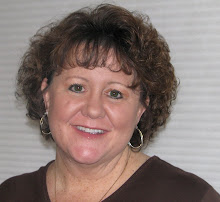
Bonner County Sheriff Deputy Chris Bonner grew up around law enforcement. During the course of his career and the careers of now-retired family members, Bonner says he has seen progress in the way first responders handle crisis situations when interacting with those who suffer from mental illness.
”Back then (the practice) was to lock them up and say they were someone else’s problem,” said Bonner. “But we as a society cannot afford to do that.”
So when Bonner had the opportunity to attend a 40-hour Crisis Intervention Team training program that addressed mental illness, he didn’t hesitate.
“I recognize that mental illness is something we deal with more than we realize,” said Bonner. “I wanted to be able to better communicate with people who are going through crisis.”
Bonner County Sheriff’s Office served as the host agency for the training, which was put on with the help of grants and volunteers from the National Alliance for Mental Illness’s Far North chapter, based in Sandpoint. Ann Wimberley, the chapter’s president, said she is grateful to those who take the time to learn more about this critical issue.
“It’s a huge investment of time for both individuals and departments,” she said.
Sgt. Bill Tilson of the Coeur d’Alene Police Department took the training in February 2009 and was recently named one of two Crisis Intervention Team Officers of the Year for 2009. He said the training has served him well. “The (CIT) academy gives law enforcement a full look into mental illness including signs and symptoms, the drugs used to treat mental illness, the thought processes of the mentally ill, along with strategies to work with those going through a crisis,” said Tilson. “I’ve used the training in suicide prevention calls, those suffering a crisis, and more.”
Among those in attendance at the latest training were deputies from Bonner County Sheriff’s Department, Kootenai County dispatchers, officers from as far away as Southern Idaho, and an employee of an assisted living home.
Holly Bonwell is a clinical supervisor at the Department of Health and Welfare in Coeur d’Alene. She serves as the mental health coordinator for the crisis team in this region.
“We are becoming much more aware of the needs and concerns of our consumers and community partners,” said Bonwell, who adds that the most common misconception is that individuals choose to be mentally ill and they can stop their behavior at any time. Nothing could be further from the truth and that is the most important lesson Bonwell wants people to learn from the crisis team training.
“People don’t choose to become mentally ill. (We need to) reduce the stigma, and provide officers with tools, resources and strategies to assist this population,” she said. One Sandpoint woman, Sara (not her real name), is pleased people are investing their time to learn more about mental illness. Sara’s adult son was diagnosed with paranoid schizophrenia and she said family members are faced with many challenges – including how to cope during times of crisis – when helping a loved one cope with a severe mental illness.
“Our family has had a steep learning curve. We had to set aside preconceived notions about mental illness and develop ways to help our loved one cope with those awful symptoms to have a better life,” said Sara. “We are so appreciative to law enforcement agencies who have understood the need to approach these emergency responses in a more professional way by taking the training.”
Tilson recalls an incident where the training helped him calm a potentially suicidal teenager.
“I arrived on the scene with another officer and saw that his (the boy’s) father and brother were holding him down due to his violent nature,” said Tilson. But instead of arresting the boy, Tilson said he used the skills he learned in crisis training to communicate with him. “He was released, he sat up and we had a great conversation. In talking with him and the family, we were able to get him to the hospital for the help he needed rather than jail for a crime that may have been the result of his illness rather than the intent to injure someone. This is an example of how the training works. Ultimately, the goal in these cases is to choose the most appropriate path for a person with a mental illness, which is not always criminal activity.”
Although the CIT training ended just a few weeks ago, Bonner says he too has already used much of what he learned.
“It has already paid off huge dividends. I use the tools almost on a daily basis,” said Bonner who encourages all law enforcement to take part in this training. “It’ll make us a better agency and will make us better officers. And it will definitely make us a better asset to our community.”
Sunday, April 4, 2010

Sunday, March 14, 2010
Lake Pend Oreille School District Superintendent Optimistic In Spite of Budge Cuts
Priorities. Ask anyone what their priority in life is and the answer most likely will be something that relates to the well being of their family. For parents, many will say their top priority is giving their children the best upbringing possible – including a good education.
But as I turned on the television to watch the Academy Awards last week, I once again wondered what the real priority is in our country. I am continually amazed at the amount of money that goes into film making and the salaries made by all involved in the industry. And what about professional athletes and the tax money spent to build bigger and better stadiums?
Unfortunately, our country may say its priority is education, but when it comes to funding for our public schools many find that hard to believe. And it doesn’t seem to be getting any better.
With a 13 percent drop in enrollment over the last four years, Lake Pend Oreille School District, like many nationwide, has experienced a significant decrease in funding.
“While the school district not only expected major funding cuts at the state level due to our declining enrollment it also anticipated a struggling Idaho economy,” said district Superintendent Dick Cvitanich, who added that the severity of the state’s financial position was not anticipated.
According to Cvitanich, the state cut kindergarten through 12th grade funding by 7 percent this fiscal year and could cut it an additional 8.5 percent next fiscal year. The district also anticipates losing another 3 percent of its enrollment, largely due to the fact that many of these students’ families worked in the labor industry which has experienced a severe decline in North Idaho. But Cvitanich hopes that will change.
“Affordable housing for families is slowly starting to make its appearance,” he said. “This is good news.”
But until that time, Lake Pend Oreille School District has to deal with the numbers it has right now and that can only mean more cuts.
So how does a school district deal with such a blow to its budget? That is precisely what Cvitanich and the Lake Pend Oreille School Board are trying to figure out. And not everyone likes the answers.
One proposal is to close down Northside Elementary School, which has many parents concerned. But Cvitanich said that is just one of many options being considered.
“We are looking at all programs. Since over 80 percent of our budget is made up of staffing, that becomes a logical choice. We will definitely be reducing, however, we hope to address most of these cuts through retirements and attrition,” said Cvitanich. “These reductions will be in all categories: certified, classified and administrative. Our ongoing goal is to keep the cuts as far away from the classroom as possible.”
But what effect will these cuts have on both the students and the teachers?
“We know that reductions in staff will have an effect on the amount of time teachers can spend with children,” said Cvitanich, referring to the inevitable increase in class size.
But he adds that research shows that it is the teacher who makes the true difference in providing a quality education.
While that may be true, I know I am not alone when I say I am concerned for the teachers who must deal with increased class size while trying to teach to what is already a classroom of children whose academic abilities differ greatly.
As difficult as it has been for Cvitanich, I have been impressed with what he has accomplished during his tenure at the district. He is readily available to the community and eager to listen to input from parents. But he is in a difficult situation with the lack of funding available. Nonetheless, he is doing what he can to reassure families that their children’s education remains his top priority.
In an open letter to the community that is published on the district’s Web site, Cvitanich writes, “Despite what may be ahead for us in public education in Idaho, we do know our schools will open next year. There will be a warm building and an excited classroom teacher for each eager student. Staff will continue to work hard and we will attempt to provide the best learning environment possible given the situation.”
Yes, these are difficult times for our economy, but I am glad that there are people out there who still believe that educating our children is a number one priority.
But as I turned on the television to watch the Academy Awards last week, I once again wondered what the real priority is in our country. I am continually amazed at the amount of money that goes into film making and the salaries made by all involved in the industry. And what about professional athletes and the tax money spent to build bigger and better stadiums?
Unfortunately, our country may say its priority is education, but when it comes to funding for our public schools many find that hard to believe. And it doesn’t seem to be getting any better.
With a 13 percent drop in enrollment over the last four years, Lake Pend Oreille School District, like many nationwide, has experienced a significant decrease in funding.
“While the school district not only expected major funding cuts at the state level due to our declining enrollment it also anticipated a struggling Idaho economy,” said district Superintendent Dick Cvitanich, who added that the severity of the state’s financial position was not anticipated.
According to Cvitanich, the state cut kindergarten through 12th grade funding by 7 percent this fiscal year and could cut it an additional 8.5 percent next fiscal year. The district also anticipates losing another 3 percent of its enrollment, largely due to the fact that many of these students’ families worked in the labor industry which has experienced a severe decline in North Idaho. But Cvitanich hopes that will change.
“Affordable housing for families is slowly starting to make its appearance,” he said. “This is good news.”
But until that time, Lake Pend Oreille School District has to deal with the numbers it has right now and that can only mean more cuts.
So how does a school district deal with such a blow to its budget? That is precisely what Cvitanich and the Lake Pend Oreille School Board are trying to figure out. And not everyone likes the answers.
One proposal is to close down Northside Elementary School, which has many parents concerned. But Cvitanich said that is just one of many options being considered.
“We are looking at all programs. Since over 80 percent of our budget is made up of staffing, that becomes a logical choice. We will definitely be reducing, however, we hope to address most of these cuts through retirements and attrition,” said Cvitanich. “These reductions will be in all categories: certified, classified and administrative. Our ongoing goal is to keep the cuts as far away from the classroom as possible.”
But what effect will these cuts have on both the students and the teachers?
“We know that reductions in staff will have an effect on the amount of time teachers can spend with children,” said Cvitanich, referring to the inevitable increase in class size.
But he adds that research shows that it is the teacher who makes the true difference in providing a quality education.
While that may be true, I know I am not alone when I say I am concerned for the teachers who must deal with increased class size while trying to teach to what is already a classroom of children whose academic abilities differ greatly.
As difficult as it has been for Cvitanich, I have been impressed with what he has accomplished during his tenure at the district. He is readily available to the community and eager to listen to input from parents. But he is in a difficult situation with the lack of funding available. Nonetheless, he is doing what he can to reassure families that their children’s education remains his top priority.
In an open letter to the community that is published on the district’s Web site, Cvitanich writes, “Despite what may be ahead for us in public education in Idaho, we do know our schools will open next year. There will be a warm building and an excited classroom teacher for each eager student. Staff will continue to work hard and we will attempt to provide the best learning environment possible given the situation.”
Yes, these are difficult times for our economy, but I am glad that there are people out there who still believe that educating our children is a number one priority.
Sandpoint Couple Doing What They Can To Find a Cure for Son's Rare Disease
As first-time parents, Brian and Tricia Sturgis did not immediately recognize when their son Henry was not progressing in his development. But looking back, the signs were there.
Tricia began to notice Henry, now 3, was different when the two attended play groups. While other kids his age were sitting up and bearing weight on their feet, Henry did not.
“Play dates are your guide,” said Tricia. “You do not want to compare your kids to others, but you can put things on your radar.”
At the age of 16 months, Brian and Tricia finally had a diagnosis for their little boy – cystinosis, a genetic disease which causes the amino acid cystine to accumulate in the body’s cells. As it accumulates it destroys some of the body’s organs, including the kidneys, liver, muscles, white blood cells, eyes and central nervous system.
“He already had rickets (softening of the bones) and kidney disease at 16 months,” said Tricia, who would like to see screening available at birth so immediate treatment could keep some of the side effects at bay.
Because the disease is so rare – afflicting only 500 people nationwide and 2,000 worldwide – the couple quickly found that there is little research money, support or resources available. But that has not stopped Brian and Tricia from doing everything in their power to find a cure for their little boy.
They first sought support from other families who face the same challenges.
“There is a little girl who lives in Clarkston who has it,” said Brian. “That was pretty key to meet someone else living with it.”
Then in May 2008 they attended a fundraiser put on by The Cystinosis Research Foundation and were inspired when they learned what is being done to raise money for research and the progress that has already been made.
“That really inspired us,” said Tricia, who with Brian and the help of many friends and relatives put on their first fundraiser in September 2008. Since then the couple have raised approximately $200,000 and are recognized as among the leaders nationwide when it comes to donating to the California-based Cystinosis Research Foundation.
“We really looked to see where people were putting their money and this place made sense,” said Brian. “These people are hopeful they will find a cure within five years.”
Since its formation in 2003, the CRF has funded more than $10.8 million in cystinosis research.
“Twice a year the CRF puts out a worldwide call to the scientific community for research proposals,” said Tricia. “Currently, the CRF is funding 41 studies and 10 research fellows in North America and Europe.”
Currently Henry is on eight medications, six of which must be administered every six hours.
“When he was first diagnosed, we gave it (his medication) to him through his mouth,” said Brian, describing how he and Tricia had to wake Henry up at midnight and sometimes it would take 40 minutes to get him back to sleep. But in June 2008, they had a gastrostomy tube implanted in Henry’s stomach allowing them to administer his medicine without waking him up or subjecting him to the medications’ terrible taste.
Henry, or Hank as some call him, is a bubbly 3-year-old who attends preschool two mornings a week and also goes to speech, occupational, physical and water therapy. Tricia says she enjoys watching Henry interact with other kids, especially those from whom he receives support, specifically a boy who attends speech therapy with Henry.
“They make each other feel secure and welcome. They’ve become best buddies,” she said. “It is definitely one of the positives.”
In spite of the busy therapy and medication schedule, the couple seem to take it all in stride.
“It’s your new norm,” said Brian. “You forget how life was before.”
Tricia encourages others facing challenges in their life – medical or otherwise – to seek support from others who may be in similar circumstances.
“Find someone who can offer the support of hope,” said Tricia.
The couple say their primary goal is to continue to raise money and to donate it to research to find a cure in time for Henry; their secondary goal is to have better treatment available.
Tricia was recently appointed to the CRF board of directors and will travel to California on March 18 to present the foundation with a check from the latest fundraiser, a 24-hour ski event that was held at Schweitzer Mountain. They are in the planning stages of a Sept. 11 bike ride to raise more money for their foundation – 24 Hours for Hank. It is hope for their son and others like him that keeps them going.
“You never know whose life you’re going to change,” said Tricia, in her heart praying that Henry’s will be one of them. “I have a renewed sense of hope. People should never give up on hope because it (a cure) could be just around the corner.”
For More information go online to http://cystinosisresearch.org/ to learn more about cystinosis. To learn more about fundraisers for Henry Sturgis, go to http://www.24hoursforhank.org
Tricia began to notice Henry, now 3, was different when the two attended play groups. While other kids his age were sitting up and bearing weight on their feet, Henry did not.
“Play dates are your guide,” said Tricia. “You do not want to compare your kids to others, but you can put things on your radar.”
At the age of 16 months, Brian and Tricia finally had a diagnosis for their little boy – cystinosis, a genetic disease which causes the amino acid cystine to accumulate in the body’s cells. As it accumulates it destroys some of the body’s organs, including the kidneys, liver, muscles, white blood cells, eyes and central nervous system.
“He already had rickets (softening of the bones) and kidney disease at 16 months,” said Tricia, who would like to see screening available at birth so immediate treatment could keep some of the side effects at bay.
Because the disease is so rare – afflicting only 500 people nationwide and 2,000 worldwide – the couple quickly found that there is little research money, support or resources available. But that has not stopped Brian and Tricia from doing everything in their power to find a cure for their little boy.
They first sought support from other families who face the same challenges.
“There is a little girl who lives in Clarkston who has it,” said Brian. “That was pretty key to meet someone else living with it.”
Then in May 2008 they attended a fundraiser put on by The Cystinosis Research Foundation and were inspired when they learned what is being done to raise money for research and the progress that has already been made.
“That really inspired us,” said Tricia, who with Brian and the help of many friends and relatives put on their first fundraiser in September 2008. Since then the couple have raised approximately $200,000 and are recognized as among the leaders nationwide when it comes to donating to the California-based Cystinosis Research Foundation.
“We really looked to see where people were putting their money and this place made sense,” said Brian. “These people are hopeful they will find a cure within five years.”
Since its formation in 2003, the CRF has funded more than $10.8 million in cystinosis research.
“Twice a year the CRF puts out a worldwide call to the scientific community for research proposals,” said Tricia. “Currently, the CRF is funding 41 studies and 10 research fellows in North America and Europe.”
Currently Henry is on eight medications, six of which must be administered every six hours.
“When he was first diagnosed, we gave it (his medication) to him through his mouth,” said Brian, describing how he and Tricia had to wake Henry up at midnight and sometimes it would take 40 minutes to get him back to sleep. But in June 2008, they had a gastrostomy tube implanted in Henry’s stomach allowing them to administer his medicine without waking him up or subjecting him to the medications’ terrible taste.
Henry, or Hank as some call him, is a bubbly 3-year-old who attends preschool two mornings a week and also goes to speech, occupational, physical and water therapy. Tricia says she enjoys watching Henry interact with other kids, especially those from whom he receives support, specifically a boy who attends speech therapy with Henry.
“They make each other feel secure and welcome. They’ve become best buddies,” she said. “It is definitely one of the positives.”
In spite of the busy therapy and medication schedule, the couple seem to take it all in stride.
“It’s your new norm,” said Brian. “You forget how life was before.”
Tricia encourages others facing challenges in their life – medical or otherwise – to seek support from others who may be in similar circumstances.
“Find someone who can offer the support of hope,” said Tricia.
The couple say their primary goal is to continue to raise money and to donate it to research to find a cure in time for Henry; their secondary goal is to have better treatment available.
Tricia was recently appointed to the CRF board of directors and will travel to California on March 18 to present the foundation with a check from the latest fundraiser, a 24-hour ski event that was held at Schweitzer Mountain. They are in the planning stages of a Sept. 11 bike ride to raise more money for their foundation – 24 Hours for Hank. It is hope for their son and others like him that keeps them going.
“You never know whose life you’re going to change,” said Tricia, in her heart praying that Henry’s will be one of them. “I have a renewed sense of hope. People should never give up on hope because it (a cure) could be just around the corner.”
For More information go online to http://cystinosisresearch.org/ to learn more about cystinosis. To learn more about fundraisers for Henry Sturgis, go to http://www.24hoursforhank.org
Sunday, February 28, 2010
Sandpoint Resident Peter Faletto Inspires Fundraising Efforts in Memory of Jimmie Heuga
In early February, Sandpoint resident Peter Faletto was saddened to hear of the death of one of his greatest heroes, Jimmie Heuga.
Heuga was a man who influenced Faletto in both his personal and professional life, and it is Heuga who Faletto will honor March 13 by raising funds in his memory and donating them to a cause to which Heuga devoted his life.
“Jimmie Heuga was only 66 years old (when he died),” said Faletto. “But he led a life that are only dreams to most of us.”
When Heuga was 15, he was the youngest member ever to be selected to the U.S. Ski Team. At the Olympic Games in Innsbruck, Austria, in 1964, Heuga received a bronze medal in the slalom, finishing just shy of silver medalist Billy Kidd. For the next few years, Heuga continued to excel in the sport. But his glory was short-lived.
“He was diagnosed with multiple sclerosis at the peak of his career,” said Faletto. Heuga first noticed symptoms of numbness and vision changes in 1967 but continued competing until he was diagnosed in 1970.
But just as Heuga competed to beat the odds on the ski mountain, he also was not to be defeated in his latest challenge in life.
The medical community had advised Heuga and others afflicted with MS to avoid physical activity. The thought was that activity would intensify the symptoms of the disease.
“He defied conventional wisdom that told him to go home and prepare to die and chose to work through his pain and fatigue instead,” Faletto said. “He pushed the envelop of life and his efforts helped doctors rewrite their ideas on how to treat MS.”
In 1984 Heuga started a foundation that is now known as Can Do Multiple Sclerosis. Heuga’s philosophy was that by engaging in physical activity and positive thinking one can slow the progression of MS. Now decades later, Heuga’s theory is the standard of care for treating MS.
Last year Heuga visited Schweitzer Mountain Ski Resort in Sandpoint. He influenced the way Faletto, a physical therapist, treats his patients.
“Last year I had the honor of helping Jimmie Heuga get through his days at Schweitzer Mountain when he came here to support our efforts to help his foundation,” said Faletto, who works for Sandpoint-based Pneumex, a world leader in the treatment of back pain and performance enhancement.
But it was during his work as a home health aide in Logan, Utah, when Faletto began working with MS patients.
“One of my first patients was Gary Smith, a salty Marine with a huge heart and love for the outdoors that was greater than anyone I know,” Faletto said. “He managed to finish his master’s degree, write a book, record an album, had an Emmy winning documentary about his work, and built one of the first (handicapped accessible) homes in the United States – all of this after his diagnosis.”
For the past several years, area residents Billy Bob Goyen and Pam Burke have organized a fundraiser for MS at Schweitzer. Faletto has offered to help. This year’s fundraiser, called the 2010 Vertical Express for MS, will be on March 13 with proceeds going to Heuga’s foundation.
Faletto’s goal is to raise $25,000 in honor of Heuga’s life and the 25th anniversary of the Vertical Express, a fundraising campaign at ski resorts across the West. Teams of skiers and snowboarders raise money to compete in events on the slopes. Prizes are awarded for fundraising efforts.
Teams that raise at least $15,000 will receive an expenses-paid trip to the Vertical Express Awards in Vail, Colo., in mid-April.
Faletto is not stopping there.
“For next year I am working with the Can Do center to establish a fundraising program that will generate between $150,000 and $300,000 every year from now on,” he said.
For more information on how to donate to or participate in Schweitzer Mountain’s 2010Vertical Express for MS March 13, contact Peter Faletto at (208) 691-8888 or e-mail peterfaletto@mac.com.
Heuga was a man who influenced Faletto in both his personal and professional life, and it is Heuga who Faletto will honor March 13 by raising funds in his memory and donating them to a cause to which Heuga devoted his life.
“Jimmie Heuga was only 66 years old (when he died),” said Faletto. “But he led a life that are only dreams to most of us.”
When Heuga was 15, he was the youngest member ever to be selected to the U.S. Ski Team. At the Olympic Games in Innsbruck, Austria, in 1964, Heuga received a bronze medal in the slalom, finishing just shy of silver medalist Billy Kidd. For the next few years, Heuga continued to excel in the sport. But his glory was short-lived.
“He was diagnosed with multiple sclerosis at the peak of his career,” said Faletto. Heuga first noticed symptoms of numbness and vision changes in 1967 but continued competing until he was diagnosed in 1970.
But just as Heuga competed to beat the odds on the ski mountain, he also was not to be defeated in his latest challenge in life.
The medical community had advised Heuga and others afflicted with MS to avoid physical activity. The thought was that activity would intensify the symptoms of the disease.
“He defied conventional wisdom that told him to go home and prepare to die and chose to work through his pain and fatigue instead,” Faletto said. “He pushed the envelop of life and his efforts helped doctors rewrite their ideas on how to treat MS.”
In 1984 Heuga started a foundation that is now known as Can Do Multiple Sclerosis. Heuga’s philosophy was that by engaging in physical activity and positive thinking one can slow the progression of MS. Now decades later, Heuga’s theory is the standard of care for treating MS.
Last year Heuga visited Schweitzer Mountain Ski Resort in Sandpoint. He influenced the way Faletto, a physical therapist, treats his patients.
“Last year I had the honor of helping Jimmie Heuga get through his days at Schweitzer Mountain when he came here to support our efforts to help his foundation,” said Faletto, who works for Sandpoint-based Pneumex, a world leader in the treatment of back pain and performance enhancement.
But it was during his work as a home health aide in Logan, Utah, when Faletto began working with MS patients.
“One of my first patients was Gary Smith, a salty Marine with a huge heart and love for the outdoors that was greater than anyone I know,” Faletto said. “He managed to finish his master’s degree, write a book, record an album, had an Emmy winning documentary about his work, and built one of the first (handicapped accessible) homes in the United States – all of this after his diagnosis.”
For the past several years, area residents Billy Bob Goyen and Pam Burke have organized a fundraiser for MS at Schweitzer. Faletto has offered to help. This year’s fundraiser, called the 2010 Vertical Express for MS, will be on March 13 with proceeds going to Heuga’s foundation.
Faletto’s goal is to raise $25,000 in honor of Heuga’s life and the 25th anniversary of the Vertical Express, a fundraising campaign at ski resorts across the West. Teams of skiers and snowboarders raise money to compete in events on the slopes. Prizes are awarded for fundraising efforts.
Teams that raise at least $15,000 will receive an expenses-paid trip to the Vertical Express Awards in Vail, Colo., in mid-April.
Faletto is not stopping there.
“For next year I am working with the Can Do center to establish a fundraising program that will generate between $150,000 and $300,000 every year from now on,” he said.
For more information on how to donate to or participate in Schweitzer Mountain’s 2010Vertical Express for MS March 13, contact Peter Faletto at (208) 691-8888 or e-mail peterfaletto@mac.com.
Sunday, February 21, 2010
CHaFE 150 Registration is Open
The mountaintops may still be covered with snow, but that isn’t stopping people from thinking and planning for warm sunny days. With registration already open for the third annual CHaFE 150, bicycle riders are eagerly planning their training schedules for the June 12 event.
CHaFE 150 – which stands for Cycle Hard for Education – is a 150-mile bike ride hosted by Panhandle Alliance for Education, a nonprofit organization that raises funds which go toward providing programs and educational opportunities for youth and families.
“Our goal is to provide funding for innovative, strategic and competitive grant programs to encourage excellence,” said Brad Williams, the treasurer for Panhandle Alliance.
According to Williams, last year’s race raised $33,000, all of which went to fund the Panhandle Alliance’s Ready! for Kindergarten program.
Ready! is a national program put on by Panhandle Alliance with support from Lake Pend Oreille School District and the National Children’s Reading Foundation. The philosophy behind the program is that children learn best when taught by someone they love and trust – their parents or caregivers.
The Saturday classes are taught to parents of children through age 5 and are geared toward promoting interaction between the children and their parents and caregivers in a way that will promote literacy, math and social skills.
According to Williams, Panhandle Alliance budgeted $62,000 for this school year’s Ready! program, and the popularity of the classes has indicated that it will only grow, making it critical that they raise as much as possible through the bike ride.
“The enrollment for the program exceeded our expectations in the first year and was expanded for this second year,” said Geraldine Lewis, the director of events and fundraising for Panhandle Alliance. “We hope the ride continues to grow in its fundraising power, so we can continue to meet the needs of families in the Ready! program.”
Tracy Gibson is the coordinator for the Ready! program and said the impact on families has been significant.
“Our enrollment always exceeds the room we have available. Currently we have seven full classes. It is growing as fast as we can round up the people power,” said Gibson, adding that the program requires teachers, child care providers, volunteers and Panhandle Alliance board members to pull off every session. “Remarkably, we have an overwhelming number of people who can see the importance of early childhood education and volunteer their time.”
Registration for the CHaFE 150 opened Feb. 10 and participation is limited to 300 people. The Facebook page has more than 160 members.
The route for the June 12 ride begins in Sandpoint and heads north toward Canada before taking riders east into Montana. Riders will enjoy beautiful scenery of the Bull and Clark Fork Rivers with breathtaking views of the Cabinet Mountains as well as the majestic shore of Lake Pend Oreille, something Williams said is a distinguishing factor from other rides.
“What distinguishes us from other rides are really two things: first, the roads and scenery. Our route is really world-class. Few other places have our scenery and light-traffic roads,” said Williams. “The second is our support. Geraldine (Lewis, the event organizer) has organized a ride that has the best support of any ride in the region.”
The ride’s break stops are manned by volunteer groups who Williams said go out of their way to provide creative ways to feed and support the riders.
“We have a rotating trophy going to the break stop group that provides the most innovative and interesting experience (to the riders),” he said.
Last year organizers introduced the ½ CHaFE for riders not yet ready for the full 150-mile ride. This year that 80-mile route will begin in Troy, Mont. – with CHaFE organizers busing the participants to Montana. It will end in Sandpoint, where all participants will be treated to food and entertainment upon crossing the finish line.
The goal is to have each participant raise at least $500 in pledges, which will go a long way to assisting the Ready! program.
“Organizationally, our goal is fundraising,” said Williams. “However, our goal for the participants is to take a reasonable amount of time so that it is a fun experience. We want them to have a great day and come back year after year.”
Information:
The third annual Cycle Hard for Education starts in Sandpoint.
Ride length: 150 miles or 80 miles
Cost: $120
To register: Visit www.chafe150.org (http://www.chafe150.org)
CHaFE 150 – which stands for Cycle Hard for Education – is a 150-mile bike ride hosted by Panhandle Alliance for Education, a nonprofit organization that raises funds which go toward providing programs and educational opportunities for youth and families.
“Our goal is to provide funding for innovative, strategic and competitive grant programs to encourage excellence,” said Brad Williams, the treasurer for Panhandle Alliance.
According to Williams, last year’s race raised $33,000, all of which went to fund the Panhandle Alliance’s Ready! for Kindergarten program.
Ready! is a national program put on by Panhandle Alliance with support from Lake Pend Oreille School District and the National Children’s Reading Foundation. The philosophy behind the program is that children learn best when taught by someone they love and trust – their parents or caregivers.
The Saturday classes are taught to parents of children through age 5 and are geared toward promoting interaction between the children and their parents and caregivers in a way that will promote literacy, math and social skills.
According to Williams, Panhandle Alliance budgeted $62,000 for this school year’s Ready! program, and the popularity of the classes has indicated that it will only grow, making it critical that they raise as much as possible through the bike ride.
“The enrollment for the program exceeded our expectations in the first year and was expanded for this second year,” said Geraldine Lewis, the director of events and fundraising for Panhandle Alliance. “We hope the ride continues to grow in its fundraising power, so we can continue to meet the needs of families in the Ready! program.”
Tracy Gibson is the coordinator for the Ready! program and said the impact on families has been significant.
“Our enrollment always exceeds the room we have available. Currently we have seven full classes. It is growing as fast as we can round up the people power,” said Gibson, adding that the program requires teachers, child care providers, volunteers and Panhandle Alliance board members to pull off every session. “Remarkably, we have an overwhelming number of people who can see the importance of early childhood education and volunteer their time.”
Registration for the CHaFE 150 opened Feb. 10 and participation is limited to 300 people. The Facebook page has more than 160 members.
The route for the June 12 ride begins in Sandpoint and heads north toward Canada before taking riders east into Montana. Riders will enjoy beautiful scenery of the Bull and Clark Fork Rivers with breathtaking views of the Cabinet Mountains as well as the majestic shore of Lake Pend Oreille, something Williams said is a distinguishing factor from other rides.
“What distinguishes us from other rides are really two things: first, the roads and scenery. Our route is really world-class. Few other places have our scenery and light-traffic roads,” said Williams. “The second is our support. Geraldine (Lewis, the event organizer) has organized a ride that has the best support of any ride in the region.”
The ride’s break stops are manned by volunteer groups who Williams said go out of their way to provide creative ways to feed and support the riders.
“We have a rotating trophy going to the break stop group that provides the most innovative and interesting experience (to the riders),” he said.
Last year organizers introduced the ½ CHaFE for riders not yet ready for the full 150-mile ride. This year that 80-mile route will begin in Troy, Mont. – with CHaFE organizers busing the participants to Montana. It will end in Sandpoint, where all participants will be treated to food and entertainment upon crossing the finish line.
The goal is to have each participant raise at least $500 in pledges, which will go a long way to assisting the Ready! program.
“Organizationally, our goal is fundraising,” said Williams. “However, our goal for the participants is to take a reasonable amount of time so that it is a fun experience. We want them to have a great day and come back year after year.”
Information:
The third annual Cycle Hard for Education starts in Sandpoint.
Ride length: 150 miles or 80 miles
Cost: $120
To register: Visit www.chafe150.org (http://www.chafe150.org)
Sunday, February 14, 2010
Community Rallies to Support Retired Businessman Ernie Belwood
It does not take long for newcomers to Sandpoint to realize that this town has an unusually strong sense of community spirit.
And there are few who have contributed more to that spirit than Sandpoint’s Ernie Belwood. There is a saying that what goes around, comes around, and now it is Sandpoint’s turn to give back to the retired businessman who has done much for this community over the last several decades.
Before Christmas, Belwood was diagnosed with pancreatic cancer. He has been in Oregon since early January, undergoing treatment at the Oregon Health Sciences University Hospital. According to his close friend, Bobbie Huguenin, Belwood is fighting for his life and is in for a long road ahead as he recovers from surgery and treatment.
His recovery has been prolonged by complications from surgery due to a suture that did not hold. Belwood has fought infections but Huguenin said he is improving every day. It has been a painful process, she said, but Belwood’s sense of humor and remarkable attitude have shone through.
“Throughout it all, he managed to find some ways to be funny,” said Huguenin. “He has the great gift of natural wit and an outstanding sense of humor.”
Belwood retired from his furniture business in 2004, leaving his daughter, Lori, to run the family store, Belwood’s Furniture. But the family chose to close the downtown landmark last summer to concentrate on other business ventures and so Ernie could fully enjoy retirement. Hearts were saddened to see the doors of Belwood’s Furniture close, but many were happy for the family as it truly was a decision made out of choice and not driven by the economy.
As a tribute to the man who has been a downtown businessman and active community member for more than 35 years, the Sandpoint Lions Club chose Belwood to be the Grand Marshal for last summer’s Fourth of July parade.
As Belwood recovers in Oregon, there is much love and support echoing through this community. Last weekend more than 100 friends and family members gathered at Sandpoint’s City Beach to attend what they called an Ernie Event. They made a giant card for Belwood and the Sandpoint Fire Department was on hand with its large ladder truck to take an aerial photo of the gathering. It was a message of love being sent across the miles.
Other Ernie fans are soliciting donations to help defray the family’s expenses including accommodations, meals and transportation. Linda Plaster, Sharon Rench McCormick and Huguenin all agree that it is time to give back to the man who never said no when asked by the many organizations for donations to local causes.
Sandpoint City Councilwoman Marsha Ogilvie was involved with Kinderhaven, a home for abused and neglected children, from the time it opened in 1996. She said without the generosity of Ernie Belwood, the home’s beginning would not have been the same.
“He immediately said yes to helping with the first fundraiser for Kinderhaven,” said Ogilvie. “He had never met me, didn’t know who I was, but he didn’t hesitate with his answer.”
Because Kinderhaven had limited funds, Belwood allowed them to purchase the furniture, appliances and other home furnishings on credit.
“When you have more you can pay more, he told us,” said Ogilvie.
When the organizers of an event for Sandpoint’s Women Honoring Women called upon Ernie to help set up a big screen and video at the last minute, Belwood did not hesitate.
“Ernie rushed over in his pajamas and made everything right,” said Ogilvie. “Because of Uncle Ernie the event went off without a hitch.”
So thank you, Ernie Belwood, for showing the people of Sandpoint what the meaning of community is.
And there are few who have contributed more to that spirit than Sandpoint’s Ernie Belwood. There is a saying that what goes around, comes around, and now it is Sandpoint’s turn to give back to the retired businessman who has done much for this community over the last several decades.
Before Christmas, Belwood was diagnosed with pancreatic cancer. He has been in Oregon since early January, undergoing treatment at the Oregon Health Sciences University Hospital. According to his close friend, Bobbie Huguenin, Belwood is fighting for his life and is in for a long road ahead as he recovers from surgery and treatment.
His recovery has been prolonged by complications from surgery due to a suture that did not hold. Belwood has fought infections but Huguenin said he is improving every day. It has been a painful process, she said, but Belwood’s sense of humor and remarkable attitude have shone through.
“Throughout it all, he managed to find some ways to be funny,” said Huguenin. “He has the great gift of natural wit and an outstanding sense of humor.”
Belwood retired from his furniture business in 2004, leaving his daughter, Lori, to run the family store, Belwood’s Furniture. But the family chose to close the downtown landmark last summer to concentrate on other business ventures and so Ernie could fully enjoy retirement. Hearts were saddened to see the doors of Belwood’s Furniture close, but many were happy for the family as it truly was a decision made out of choice and not driven by the economy.
As a tribute to the man who has been a downtown businessman and active community member for more than 35 years, the Sandpoint Lions Club chose Belwood to be the Grand Marshal for last summer’s Fourth of July parade.
As Belwood recovers in Oregon, there is much love and support echoing through this community. Last weekend more than 100 friends and family members gathered at Sandpoint’s City Beach to attend what they called an Ernie Event. They made a giant card for Belwood and the Sandpoint Fire Department was on hand with its large ladder truck to take an aerial photo of the gathering. It was a message of love being sent across the miles.
Other Ernie fans are soliciting donations to help defray the family’s expenses including accommodations, meals and transportation. Linda Plaster, Sharon Rench McCormick and Huguenin all agree that it is time to give back to the man who never said no when asked by the many organizations for donations to local causes.
Sandpoint City Councilwoman Marsha Ogilvie was involved with Kinderhaven, a home for abused and neglected children, from the time it opened in 1996. She said without the generosity of Ernie Belwood, the home’s beginning would not have been the same.
“He immediately said yes to helping with the first fundraiser for Kinderhaven,” said Ogilvie. “He had never met me, didn’t know who I was, but he didn’t hesitate with his answer.”
Because Kinderhaven had limited funds, Belwood allowed them to purchase the furniture, appliances and other home furnishings on credit.
“When you have more you can pay more, he told us,” said Ogilvie.
When the organizers of an event for Sandpoint’s Women Honoring Women called upon Ernie to help set up a big screen and video at the last minute, Belwood did not hesitate.
“Ernie rushed over in his pajamas and made everything right,” said Ogilvie. “Because of Uncle Ernie the event went off without a hitch.”
So thank you, Ernie Belwood, for showing the people of Sandpoint what the meaning of community is.
Sunday, January 31, 2010
Sandpoint Residents Researching the Concept of Communiversity to Expand Educational Opportunities for Area Residents
Living in a small town is a lifestyle many in the Sandpoint community cherish. But it also comes with limitations. Just ask Paul Walsh.
Addressing a crowd at Sandpoint’s Panida Theater recently, Walsh spoke of the difficulty he encountered at age 50 when he was forced to change careers.
Having been in the construction business for several years, Walsh said he was no longer able to perform all the physical demands of his job and had to explore other options.
“Everything I knew how to do was physical,” said Walsh. “It became apparent I needed to go back to school.”
He looked into obtaining a degree as a radiology technician, which required him to take classes in Coeur d’Alene.
“Between clinics and school and the travel time, it consumed my life,” said Walsh. “If it weren’t for the travel time I would have had time for a part-time job.”
Walsh’s story is a familiar one. And thanks to a new program that is being researched by Sandpoint community members, people here may soon have the option of enrolling in courses locally that will allow them to earn a four-year degree or become trained in various trades such as construction, tourism or various sustainable life skills such as gardening.
The program, Communiversity, has already proven to be successful in meeting the diverse academic, vocational and personal learning needs of communities across the country.
Communiversity is a form of learning that brings together many generations in a learning environment. By sharing ideas and supporting one another, the entire community benefits from the learning experience.
On Jan. 21, Gus Whalen from Featherbone Communiversity in Gainesville, Ga., spoke to a crowd of approximately 150 Sandpoint residents about the benefits and logistics behind implementing a Communiversity in this area.
Whalen’s great-grandfather founded the Warren Featherbone Co. which has been in existence for 126 years. Gus is now chairman of the company and directs the Warren Featherbone Foundation of which the Communiversity is a part.
Whalen said the founding members of the Featherbone Communiversity include the multigenerational trio of Brenau University Department of Nursing, the Interactive Neighborhood for Kids and the Lanier Technical College Manufacturing Development Center, all of whom brought their own funding to the project. The model provides local support for those wishing to obtain education no matter what stage of life they are in.
Whalen shared with the audience the company’s history and how it overcame many difficult times to become an important part of the economic stability of not only its home state, but also the country. Crisis, he said, is always dangerous but is also something that captures one’s attention and provides people with opportunities. He promised the crowd that by the end of the evening they may not remember all he said, but they would begin to talk about how the ideas exchanged could transform the community.
“We are not independent people, we are interdependent,” he told the crowd. He likened a community to that of a group of Sequoia trees. Although they tower above the earth, the average root is just 3 feet.
“They grow best where we grow best – in a community,” said Whalen. “They hook their roots and support each other.”
By providing a place in a community where everyone from children to the elderly can learn, collaborate and explore new ideas, Whalen believes only good things can happen.
“It’s the idea that every citizen in the community is a student,” he told the crowd. “And what is so wonderful about this model is that there are no inhibitions to collaboration.”
Sandpoint High School teacher Connie Kimble was the driving force behind Whalen’s appearance. She heard him speak at a seminar she attended and was taken with what he had to say. She shared his ideas with a group of community leaders who have met over the past several months
A panel of representatives from Lake Pend Oreille School District, Bonner County Economic Development, the Pend Oreille Arts Council and several area colleges, including the University of Idaho and North Idaho College, answered questions from the audience following Whalen’s talk. Among the inquiries was what type of distance learning is available to Sandpoint residents. A representative from the University of Idaho said that it is their goal to offer live classes in Sandpoint and he would welcome the opportunity to partner with other area colleges so they do not duplicate but instead complement one another’s efforts.
Karl Dye from Bonner County Economic Development stated he is in favor of pursuing better facilities for distance learning. Lake Pend Oreille School District Superintendent Dick Cvitanich said the community is currently under-utilizing the schools in our area and he would welcome a chance to open them up to the community during periods of nonuse by the students.
One of the next steps in pursuing the concept of a Communiversity, said Kimble, is to seek input from the community.
“Local businesses are going to be critical in making this happen because we are all interconnected,” she said.
She is hopeful that this will be a pivotal step in making Sandpoint a thriving town for those who want to further their learning.
“In spite of economic issues, and maybe even as a result of some, we as a community can make our region an epicenter for exciting lifelong learning opportunities that will benefit everyone in Bonner County,” Kimble said. “We need this to stay viable and alive. Knowledge is power.”
For further information on the Featherbone Communiversity, go to www.featherbone communiversity.org
Addressing a crowd at Sandpoint’s Panida Theater recently, Walsh spoke of the difficulty he encountered at age 50 when he was forced to change careers.
Having been in the construction business for several years, Walsh said he was no longer able to perform all the physical demands of his job and had to explore other options.
“Everything I knew how to do was physical,” said Walsh. “It became apparent I needed to go back to school.”
He looked into obtaining a degree as a radiology technician, which required him to take classes in Coeur d’Alene.
“Between clinics and school and the travel time, it consumed my life,” said Walsh. “If it weren’t for the travel time I would have had time for a part-time job.”
Walsh’s story is a familiar one. And thanks to a new program that is being researched by Sandpoint community members, people here may soon have the option of enrolling in courses locally that will allow them to earn a four-year degree or become trained in various trades such as construction, tourism or various sustainable life skills such as gardening.
The program, Communiversity, has already proven to be successful in meeting the diverse academic, vocational and personal learning needs of communities across the country.
Communiversity is a form of learning that brings together many generations in a learning environment. By sharing ideas and supporting one another, the entire community benefits from the learning experience.
On Jan. 21, Gus Whalen from Featherbone Communiversity in Gainesville, Ga., spoke to a crowd of approximately 150 Sandpoint residents about the benefits and logistics behind implementing a Communiversity in this area.
Whalen’s great-grandfather founded the Warren Featherbone Co. which has been in existence for 126 years. Gus is now chairman of the company and directs the Warren Featherbone Foundation of which the Communiversity is a part.
Whalen said the founding members of the Featherbone Communiversity include the multigenerational trio of Brenau University Department of Nursing, the Interactive Neighborhood for Kids and the Lanier Technical College Manufacturing Development Center, all of whom brought their own funding to the project. The model provides local support for those wishing to obtain education no matter what stage of life they are in.
Whalen shared with the audience the company’s history and how it overcame many difficult times to become an important part of the economic stability of not only its home state, but also the country. Crisis, he said, is always dangerous but is also something that captures one’s attention and provides people with opportunities. He promised the crowd that by the end of the evening they may not remember all he said, but they would begin to talk about how the ideas exchanged could transform the community.
“We are not independent people, we are interdependent,” he told the crowd. He likened a community to that of a group of Sequoia trees. Although they tower above the earth, the average root is just 3 feet.
“They grow best where we grow best – in a community,” said Whalen. “They hook their roots and support each other.”
By providing a place in a community where everyone from children to the elderly can learn, collaborate and explore new ideas, Whalen believes only good things can happen.
“It’s the idea that every citizen in the community is a student,” he told the crowd. “And what is so wonderful about this model is that there are no inhibitions to collaboration.”
Sandpoint High School teacher Connie Kimble was the driving force behind Whalen’s appearance. She heard him speak at a seminar she attended and was taken with what he had to say. She shared his ideas with a group of community leaders who have met over the past several months
A panel of representatives from Lake Pend Oreille School District, Bonner County Economic Development, the Pend Oreille Arts Council and several area colleges, including the University of Idaho and North Idaho College, answered questions from the audience following Whalen’s talk. Among the inquiries was what type of distance learning is available to Sandpoint residents. A representative from the University of Idaho said that it is their goal to offer live classes in Sandpoint and he would welcome the opportunity to partner with other area colleges so they do not duplicate but instead complement one another’s efforts.
Karl Dye from Bonner County Economic Development stated he is in favor of pursuing better facilities for distance learning. Lake Pend Oreille School District Superintendent Dick Cvitanich said the community is currently under-utilizing the schools in our area and he would welcome a chance to open them up to the community during periods of nonuse by the students.
One of the next steps in pursuing the concept of a Communiversity, said Kimble, is to seek input from the community.
“Local businesses are going to be critical in making this happen because we are all interconnected,” she said.
She is hopeful that this will be a pivotal step in making Sandpoint a thriving town for those who want to further their learning.
“In spite of economic issues, and maybe even as a result of some, we as a community can make our region an epicenter for exciting lifelong learning opportunities that will benefit everyone in Bonner County,” Kimble said. “We need this to stay viable and alive. Knowledge is power.”
For further information on the Featherbone Communiversity, go to www.featherbone communiversity.org
Subscribe to:
Posts (Atom)